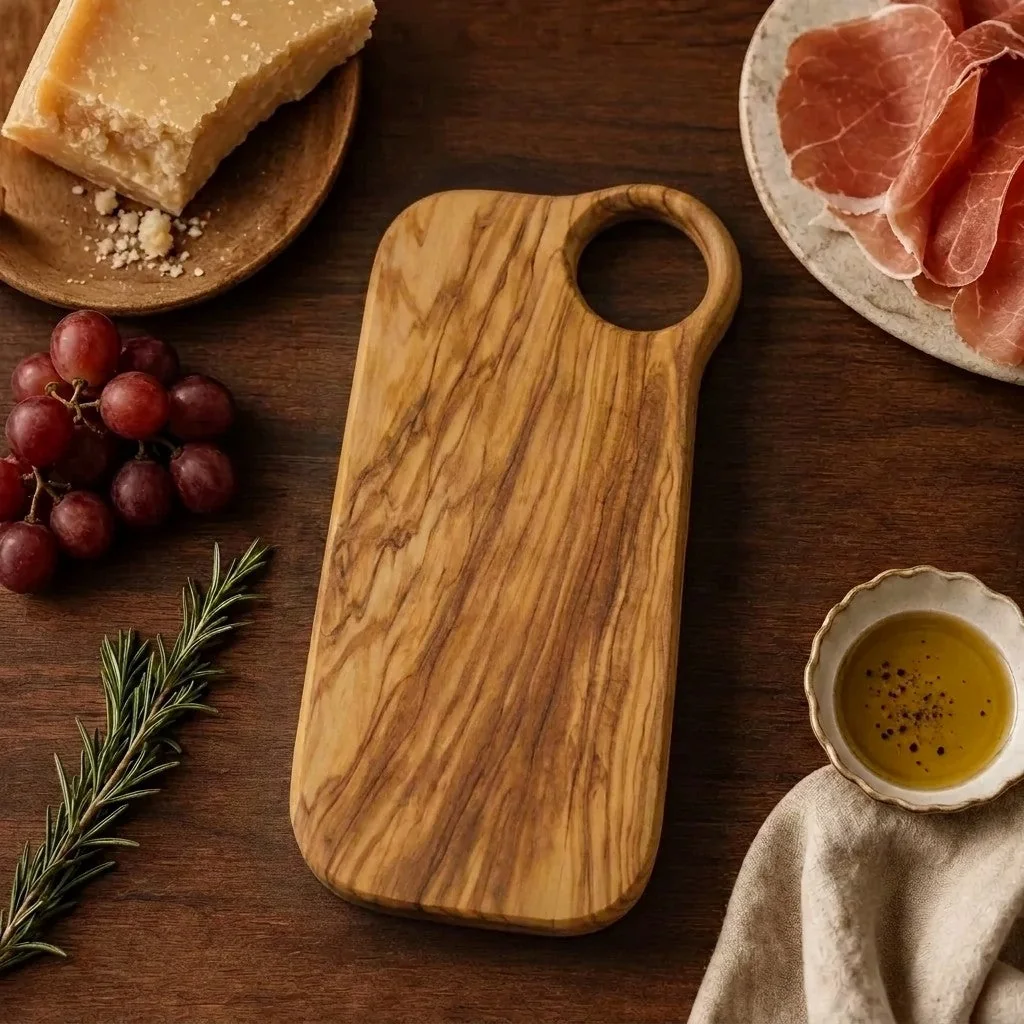
Everything Else in the Kitchen Wears Out - He Sells the One Thing That Improves, $77
This week's Artisan Goods report examines why a 61-year-old Italian woodworker asks American buyers to send him a photograph of their board after 3 years rather than after 3 weeks.
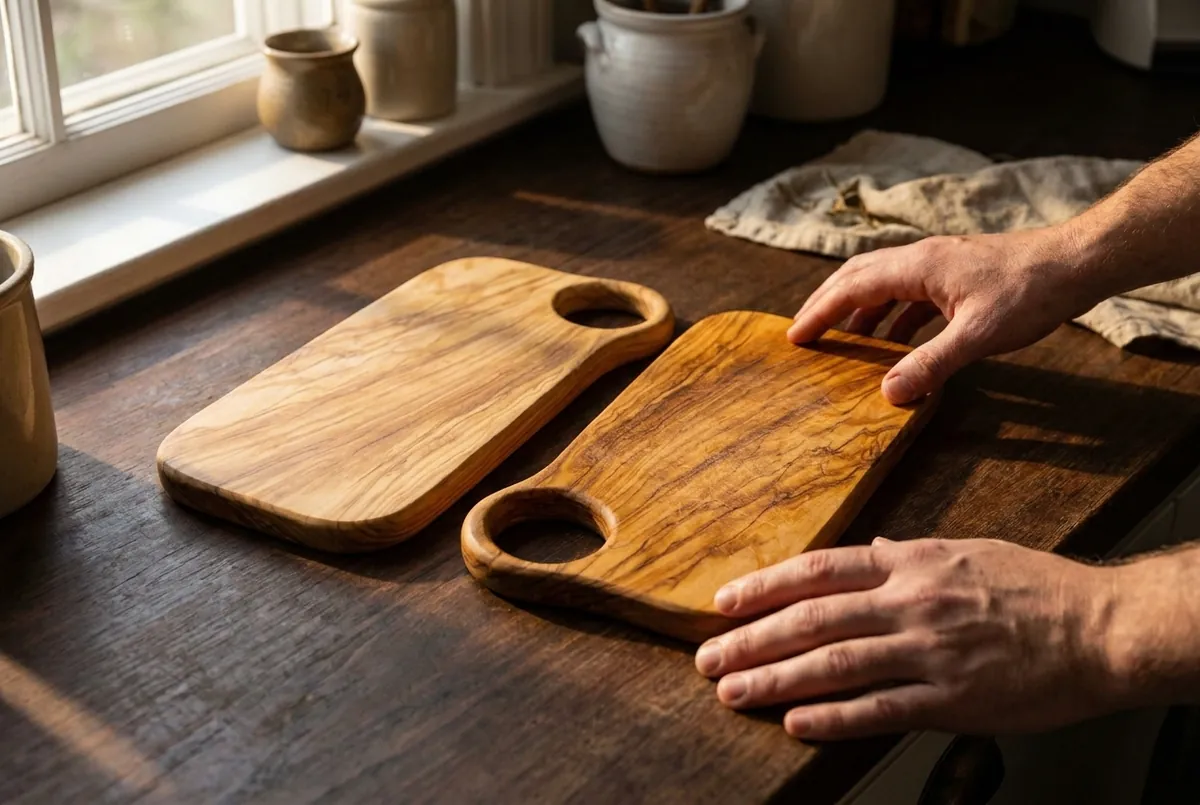
Giuseppe Bertolino keeps a folder of photographs sent by buyers. He does not look at the ones taken the week the board arrived. He looks at the ones taken 3 years later, when the wood has gone from pale gold to warm amber and the first knife marks have closed over.
Nothing else on a kitchen counter does that. Pans scratch, boards split along the glue line, handles loosen. Dense old olive absorbs a blade instead of holding the cut, and the oil goes deeper every time the board is used. It is the only object in the room that is better used than new.
This season, 200 of those boards are leaving his bench at $77 each, shipped direct from Alba, no boutique markup. The same single-slab board a specialty retailer lists near $200. Giuseppe set the price himself.
What follows is the story of why a second-generation Italian woodworker measures his work in years rather than weeks, what makes old Tuscan and Apulian olive wood different from the maple and bamboo sold in big-box stores, and why the final 200 boards will not be restocked.
The Folder of Photographs He Actually Looks At
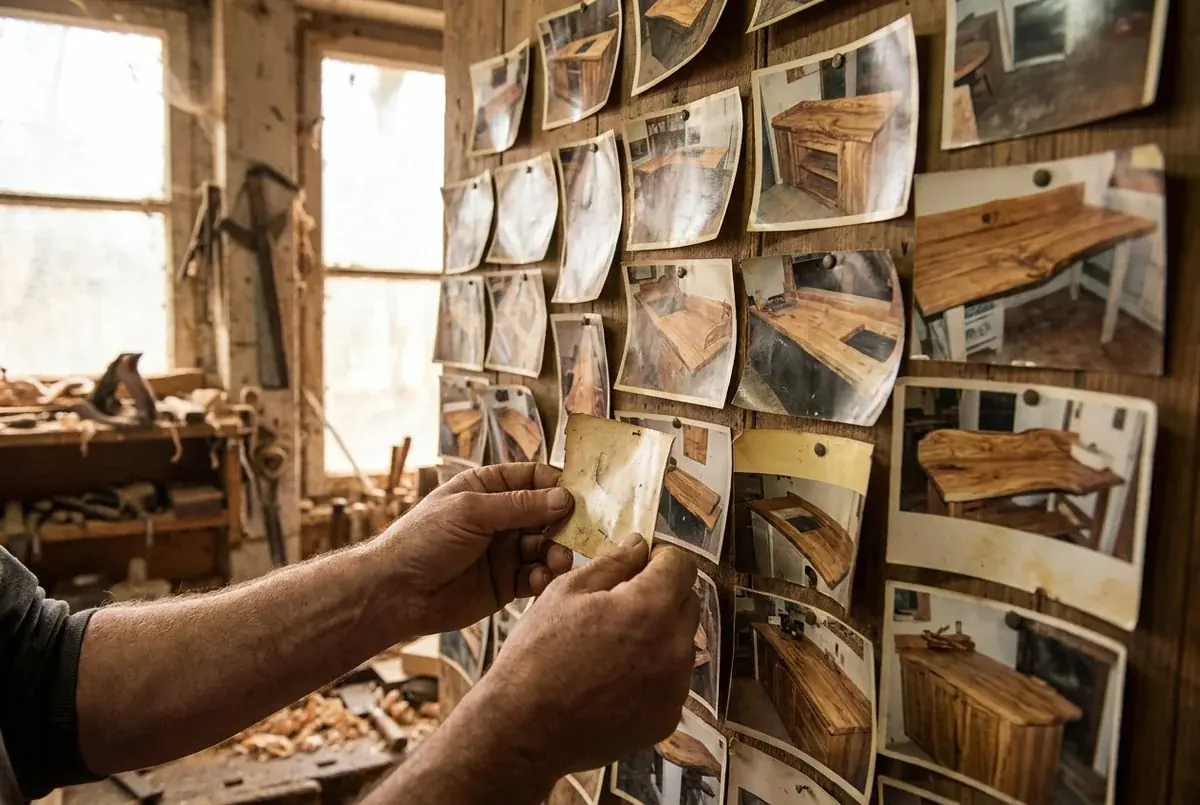
Giuseppe Bertolino keeps a folder of photographs sent by buyers. He does not open the ones taken the week a board arrived. He opens the ones taken three years later.
His father, Marco, started the habit in 1965. He asked every customer to send a picture once the board had been used properly, and he pinned them above the bench. The wall was not a portfolio of new work. It was a record of what use does.
"Anyone can photograph a board on the day it is finished," Giuseppe says. "That photograph tells you nothing."
The pictures show the same thing every time. Pale gold in the first year. Honey by the third. Deep amber by the tenth, with the swirl reading more clearly than it did when the board left Alba.
It is the only object in an American kitchen that is worth more used than new.
Everything Else on That Counter Is Losing
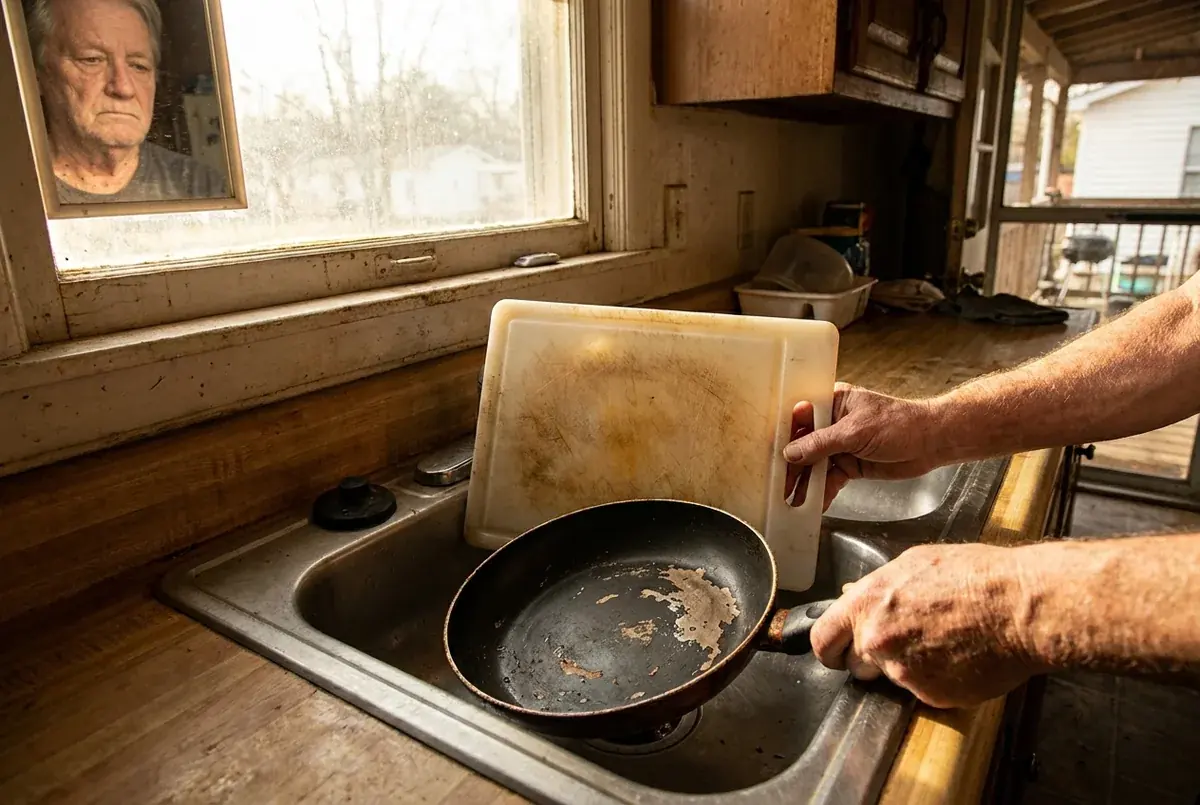
Think about what is within reach of the board. The pan is scratched. The plastic board is scored so deeply it has been flipped twice. The wooden one from a big-box store has opened along a glue line and been pushed to the back of a cupboard. Every one of them was at its best on day one and has been going downhill since.
That is the normal contract with a kitchen object: you pay, it peaks, it declines, you replace it. Most people never question it because nothing in the room does otherwise.
"A kitchen is full of things waiting to be thrown away," Giuseppe says. "That is not a law of nature. It is a choice somebody made about the material."
Dense old olive does not follow that contract. The oil goes deeper each time the board is used and washed. The surface darkens rather than greys. Knife marks close over instead of opening up.
The board is the only thing on the counter moving in the other direction.
Through 2024 Giuseppe kept adding photographs to the folder. Sofia, his daughter in Milan, pointed out that he had never once shown any of them to a buyer before they bought.
By early 2026 there were 200 finished boards in the back room, each at the palest they would ever be.
Why Old Olive Improves Instead of Wearing Out
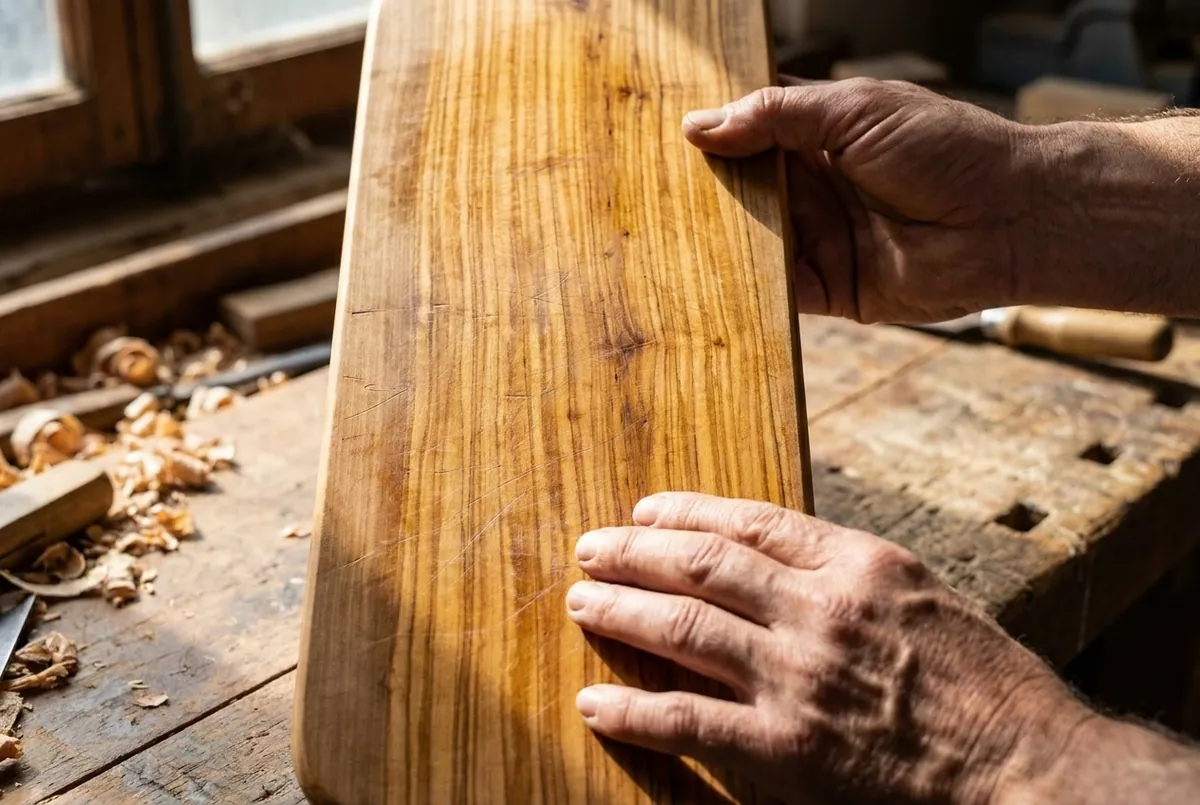
Three things have to be true at once for a board to get better with use, and almost no board on the market has all three.
The olive trees Giuseppe works with have stopped producing fruit, uprooted from groves in Tuscany and Apulia when they no longer pay their keep. A century of slow growth puts the rings close together, and that density is the first condition: a soft wood scored by a knife stays scored.
"Maple is wallpaper. Bamboo is rope," Giuseppe says. "Old olive is a fingerprint, and a fingerprint gets clearer the more you look at it."
From log to finished board takes more than 2 years.
First the trunk dries outdoors in Apulia through 2 full summers, splitting along its own weak lines rather than being forced. What survives goes to Alba for a further 18 months indoors. Roughly half the wood is lost, and the half that remains has already finished moving. That is the second condition: a board that still wants to warp cannot improve, it can only fail slowly.
The third is the finish. Oil that soaks in rather than sitting on top has nothing to peel, so every wash drives it further in instead of stripping it off.
"When you put a board down on a table, the room changes. The wood holds the light differently than anything else in the kitchen. People touch it before they ask what it is."
'In 2 Years You Will Not Lift Your Grandchild': The Cuneo Verdict
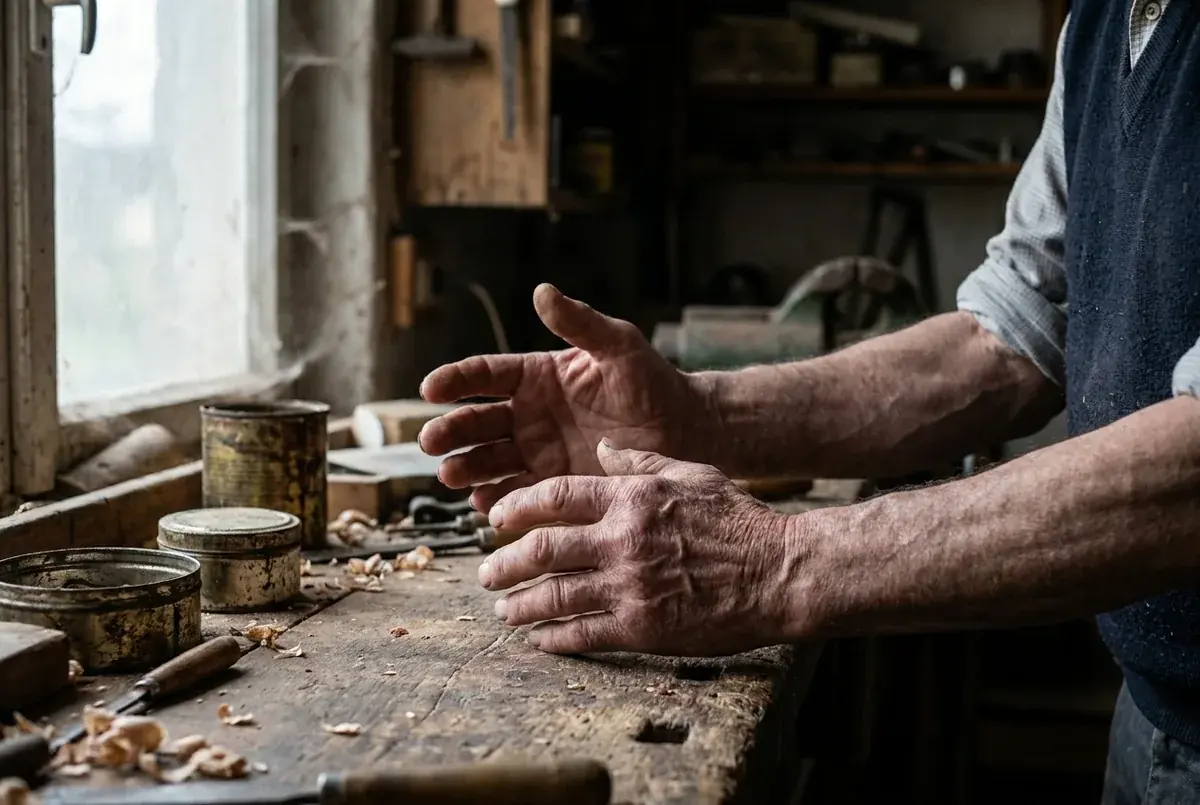
On January 14, 2025, a specialist at the hospital in Cuneo looked at Giuseppe's hands and told him what 47 years of dense wood had done to the joints. She gave him a number of working seasons, and the number was small.
"You can keep cutting boards if you want," she told him. "But I want you to know what you are spending."
He did not tell Anna at first. He had been hiding the stiffness for 18 months, working shorter days and blaming his eyes.
Sofia noticed three things that February: the unopened orders, the shorter days, and the folder of photographs left open on the bench for a week.
"Papa," Sofia said one evening, "those boards in the back room are the only ones that will never get old with anybody."
Giuseppe sat in the workshop that night and did not answer. She had said out loud the thing he had been avoiding since January.
On a Sunday morning in March 2025, at his father's old bench, he decided the 200 finished boards would go out and start their darkening rather than stay pale in a back room.
Why He Turned Down the Chain and Sold Direct Instead
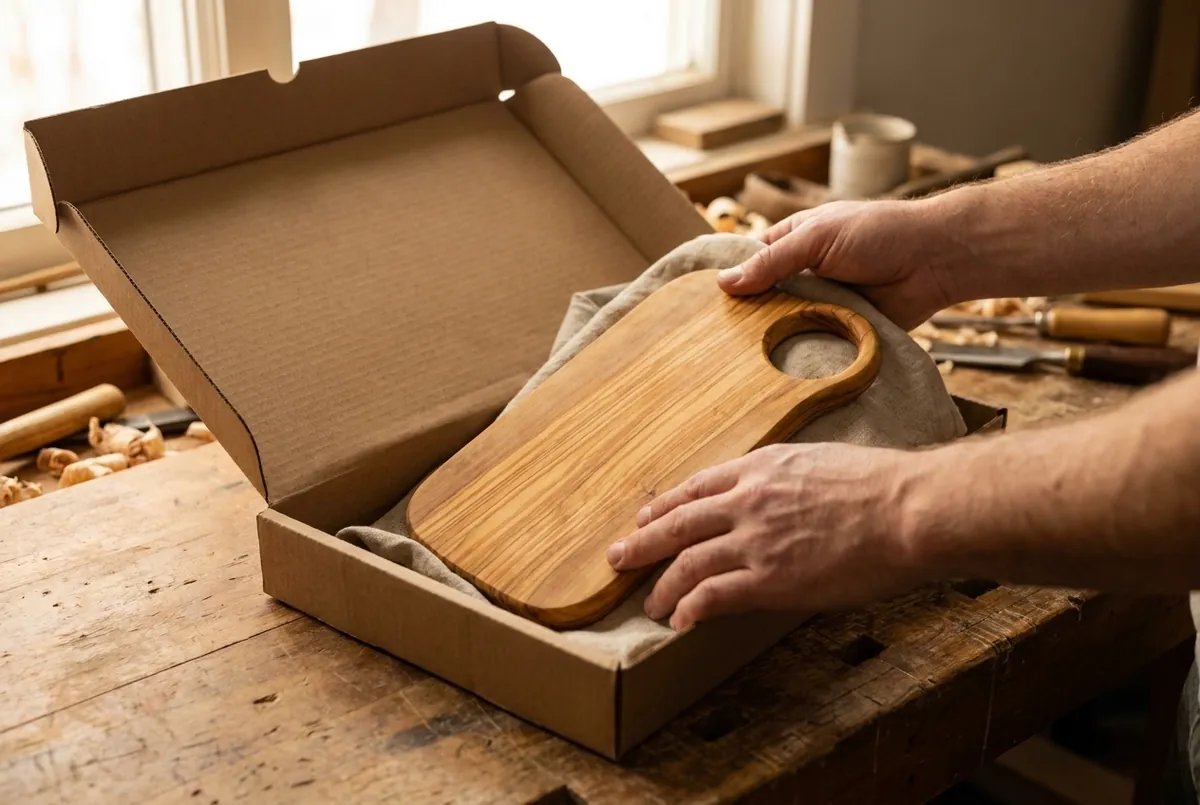
In November 2025, a buyer from a national specialty cookware chain came to Alba. The offer was to take the boards wholesale and shelve them in American stores. The buyer wanted them photographed new, identical, and replaced on a seasonal cycle.
Giuseppe said no. "A board is a table where a family eats," he told the buyer. "You want to sell it at the only moment of its life when it is not yet interesting."
That afternoon he called Sofia in Milan. They decided to release the finished boards directly, at the price he sets at the bench rather than the price a retail chain sets behind glass.
When the 200 are gone, they are gone. Giuseppe will not cut more at this pace, and the doctor in Cuneo has already explained why.
The direct price of $77, against the roughly $200 a specialty chain charges for a comparable single-slab board, is not a discount. It is what is left when the shelf, the glass and the markup are removed.
What American Buyers Wrote Back
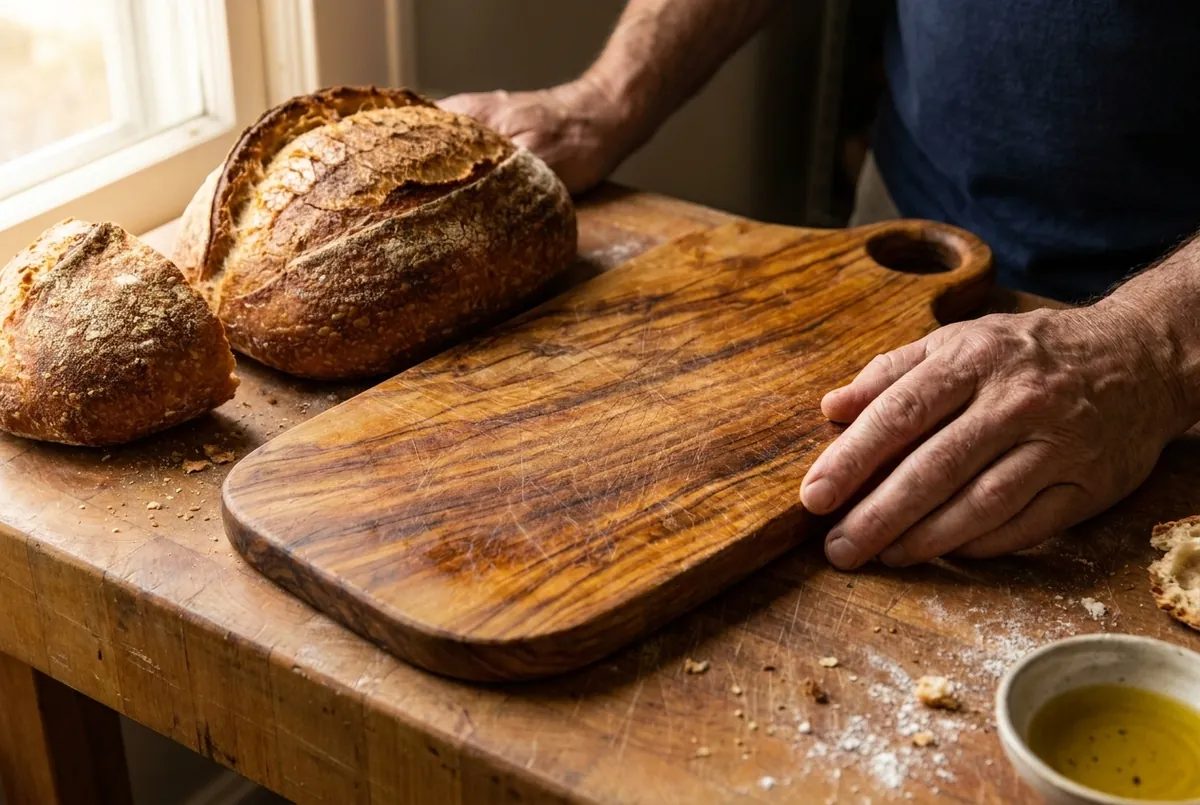
The first boards shipped from Alba this summer. The letters that came back used the same word again and again: last.
"It looks so beautiful, and it will last me a lifetime. I can use it to serve appetizers at parties."
"I like the way the grain looks and its durable life."
"Three years in, the colour has deepened. The board looks better now than the day it arrived."
Within 3 weeks of the first shipment, a food writer asked Giuseppe for an interview about the folder of photographs.
He declined. "A medal is a piece of metal in a drawer," he said. "Send me a picture in three years instead."
5 Things That Separate a Single Slab From a Glued Board
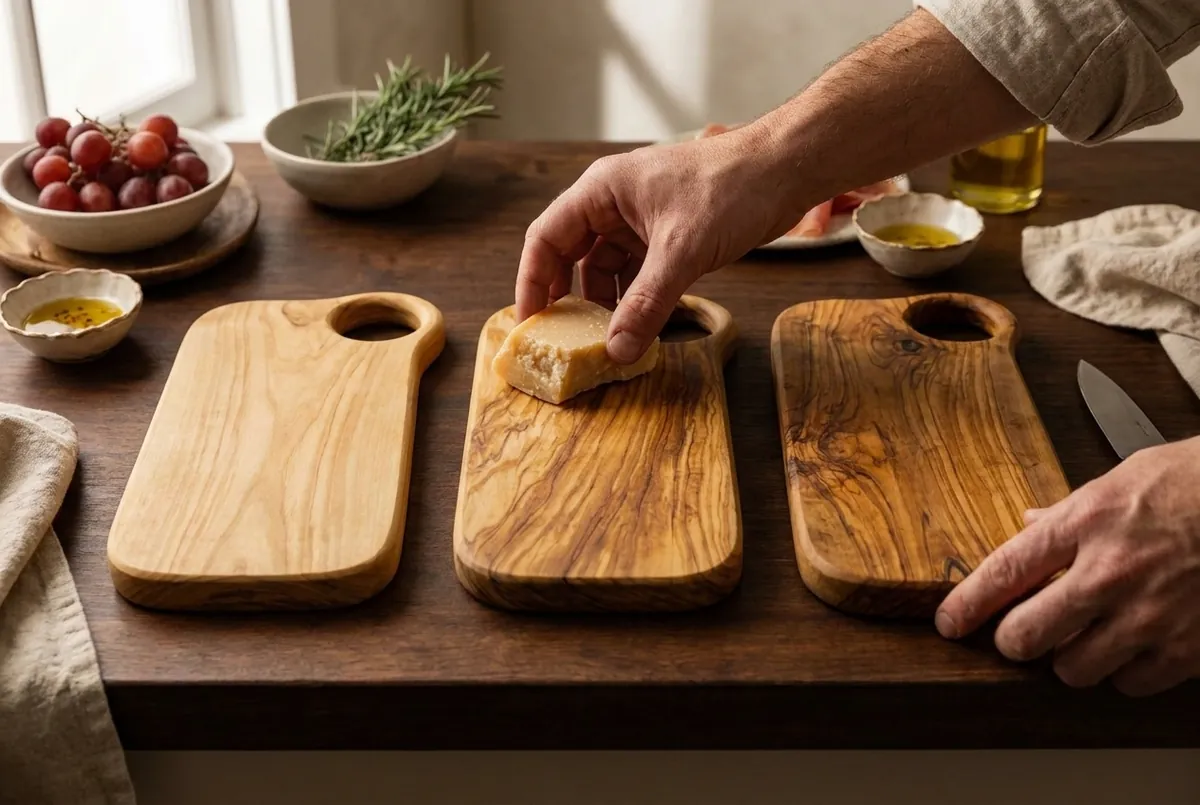
Five features separate a board cut from one piece of old olive from the laminated boards sold by the pallet.
Single-slab construction: every board is cut from one continuous piece of old olive, edge to edge. No glue line, no laminate, no seam that can open along its length after a year of washing.
Cold-pressed walnut oil finish: each board is finished at the bench with food-safe oil, three passes, absorbed rather than coated. Every wash drives it deeper instead of stripping it off.
Knife-friendly dense grain: dense old olive absorbs blade impact instead of holding the cut open. Marks close over month by month, which is the entire reason year three looks better than week three.
A finish that cannot peel: nothing was laid on the surface, so nothing can lift off it. The board has no coating to fail, only wood to darken.
No two are the same: the swirl is the record of one specific tree, and it becomes more legible with every year of use rather than less.
CHECK AVAILABILITYOnly 200 Boards Will Ship Direct from Alba This Season
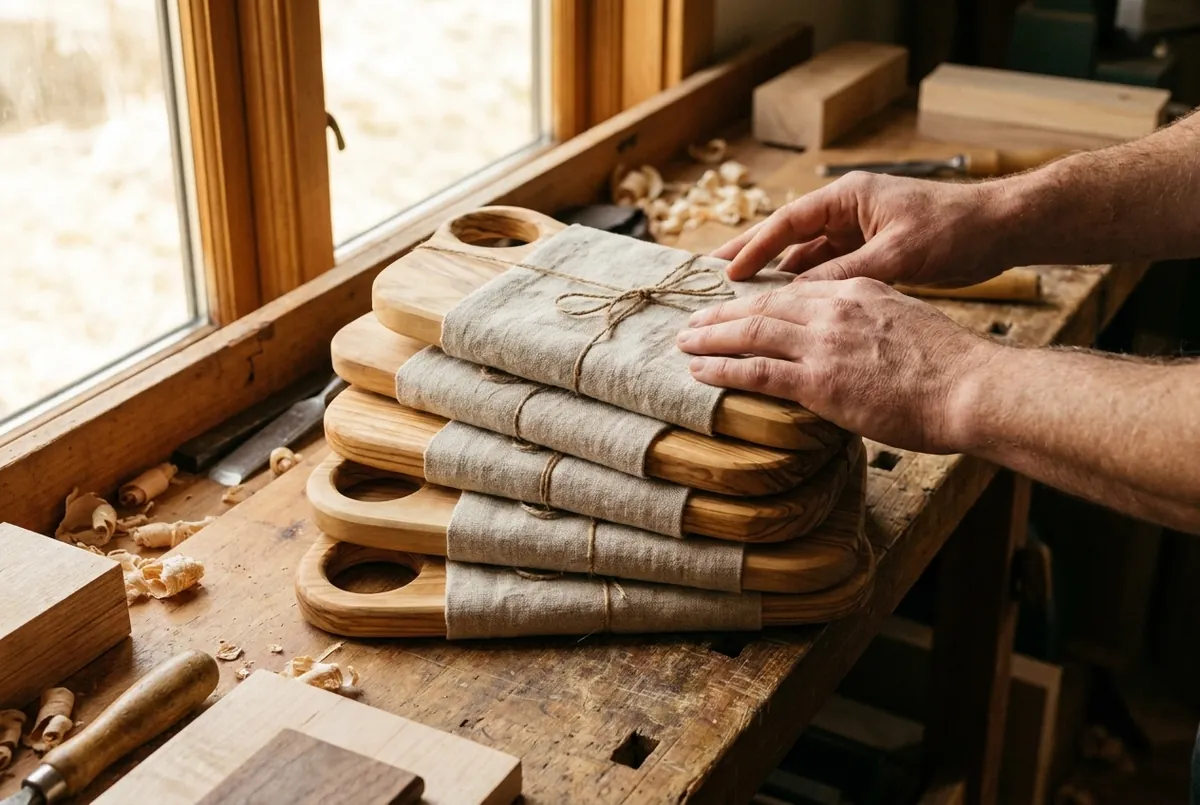
This direct run is 200 boards. When the count reaches zero, Giuseppe does not cut another run at this pace, and the reason is in his hands rather than in a marketing calendar.
The direct price of $77, set against the roughly $200 a specialty chain charges for a comparable board, is what is left when the retail chain is removed from between the bench and the table.
Every board ships from Alba with a 30-day return. If the swirl is not what you expected, or the board is not what the photograph promised, it goes back and the money comes back.
Some early buyers have already received theirs. What they wrote is below.
"The patina has deepened to a warm honey amber."
"Six months in, the surface looks the same. No knife marks, no warping."
As of this morning in Alba, boards from this run remain in the back room, wrapped in linen, at the palest they will ever be.
The board is for the person who is tired of buying things at their best and watching them decline from there.
Alba, Piedmont, Italy, August 2026